

Around 500 AD, chutney was created in India. Its name comes from the Hindi word “chatni” meaning lick. Early chutney was made from fresh ingredients using a mortar and pestle, in a similar way we would make basil pesto. As preserving methods evolved, in the 17th century the East India Company was exporting chutney to Portugal, England and beyond. Like any great food idea, chutney found its way around the world being customized by the cultures of various global communities.
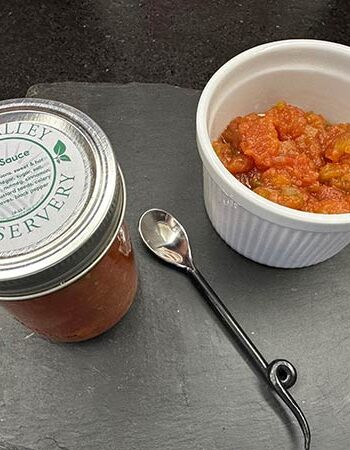
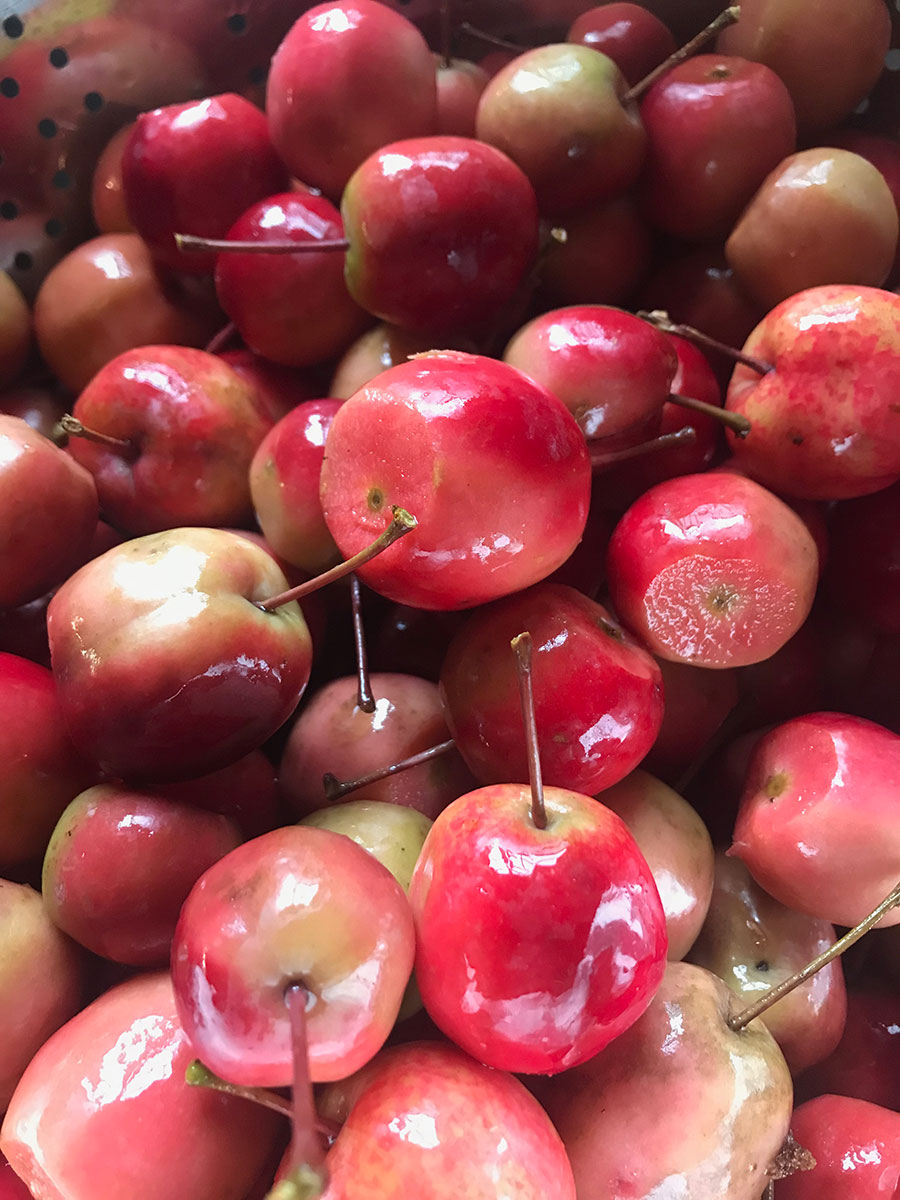
Today, fresh chutney is prepared as a condiment frequently served with samosas. Preserved chutney is characterized by slow cooking of fruits, vegetables, spices, vinegar, and sugar. Chutney can be mild or highly spiced. It is excellent with curry, beside meats or even as a spread on a sandwich. The aroma of chutney cooking is amazing. Recently I made a tomato-apple chutney which sounds odd, but it was a wonderful combination of fruit with a sweet spicy and mild taste profile (Canadian Living). Today I made an apple chutney with loads of spice and quite a lot of heat. From fresh to preserved, chutney is an excellent condiment to accompany many foods.
Fresh Mint and Cilantro Chutney (Recipe below)
Please click to view Apple Chutney with Raisins and Ginger Recipe (adapted from Canadian Living)
Three cheers to chutney – fresh, sweet, spicy, mild or hot!
Preservingwithmartha@gmail.com
Fresh Mint and Cilantro Chutney
Ingredients
- 2 cups cilantro 1 cup mint
- ½ roasted poblano or serrano pepper chopped
- 1TBSP roasted and chopped cashews or peanuts
- 1 TBSP lemon juice
- 1 tsp grated ginger
- Salt to taste
- Note: If too thick, add up to ¼ cup water
Instructions
Put all ingredients into a food processor and process until a pesto-like consistency. Refrigerate and/or freeze.

No Comments