
Browsing Category

Spring

Preserving Recipes/ Spring/ Winter

Preserving in Winter

Preserving in Winter

Many people think winter is ‘out-of-season’ as far as preserving goes. Try finding bottles, lids and other canning equipment in the dead of winter! But, there are those of us who just can’t stop preserving. And, why not? There are lots of options in winter if the larder is empty or the canning urge is great!

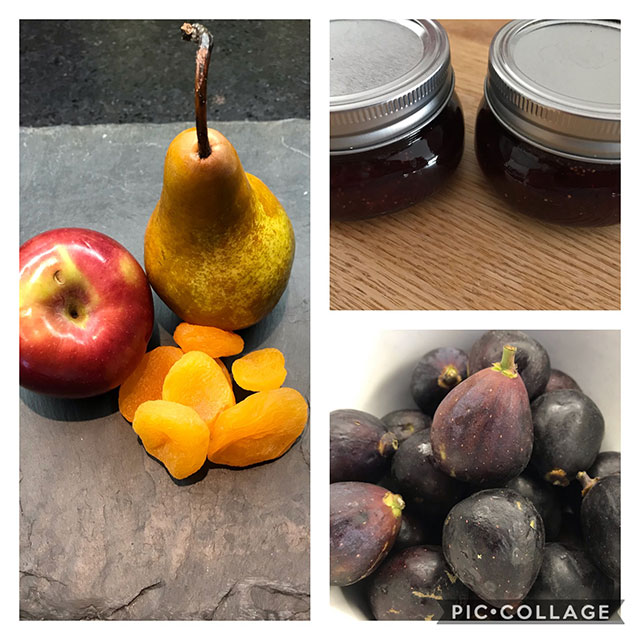
Winter fruits like apples, Anjou or Bosc pears, kiwi, figs or kumquats are available and ready to be transformed into jam, chutney, sauces or fruit butter. Mind you, there is also something simple and delicious about using the fruit naked. I’m thinking of a brown sugar and walnut stuffed baked apple or poached pears with a reduced port sauce. Fresh or preserved, winter fruit is a luxury we have in Ontario.

Dried fruits are also an option for preserving. For example, apricots or dried figs can be rehydrated and used in jams or preserves. Last winter I shared a recipe for dried apricot preserves which were great. Unfortunately, most dried fruits are treated with sulfites to preserve colour. So, if you are allergic to sulfites or are concerned about the preservative, buy organic and just accept the fact that the fruit will be dark as it naturally oxidizes. Alternatively, dehydrate your own fruit next summer pre-treating them with lemon juice, citric acid or ascorbic acid (Vitamin C) before dehydrating to slow down oxidization. Dried fruit can be wholesome and is great cooking and preserving in winter.

Frozen fruit is an excellent option for preserving when the snow flies. Using fruit you froze in summer or buying Canadian frozen fruit works extremely well for jam, conserves, syrups and more. I have used frozen peaches, strawberries, mixed berries, blueberries, cranberries and mango with great success. The advantage of frozen fruit is its availability of course, but also the fact you get perfectly ripe fruit and combinations of fruit that would not normally be out at the same time. Here is a simple recipe from the Canadian Living preserving book using mixed berries.

For further information:

preservingwithmartha@gmail.com

Winter Berry Jam

1 Star2 Stars3 Stars4 Stars5 Stars (No Ratings Yet)
Loading...

Ingredients

  • 2 packages frozen mixed berries (600 gm each) thawed and crushed
  • 2 tsp lemon zest                                                        
  • 1 TBSP bottled lemon juice
  • 1 package light pectin crystals                                   
  • 4.5 cups sugar
  • 2 TBSP Cassis or vodka (optional)

Instructions

1

Combine fruit, lemon zest & juice, ¼ cup sugar and pectin in a large pan. Bring to a boil over high heat stirring constantly. Add sugar and return to a boil. Boil hard for 1 minute. Remove from heat. Stir in alcohol if using.

2

Fill 1 cup jars (makes 7 cups) leaving ¼ inch headspace. Put on lids and screwbands. Process in a water bath canner for 10 minutes. Remove from heat and let rest for 5 minutes. Remove jars from canner placing on a cutting board or dishcloth. Allow jars to rest untouched for 24 hours.

3

As winter takes hold, enjoy the aroma of bubbling preserves filling the house on a wintery day.


Preserving Recipes/ Spring

Sugar Shack Time

Sugar Shack

It is the time when nature provides a beautiful gift compliments of the maple tree. Almost all maple syrup production comes from Canada and the US. The Maple Syrup Producers Association of Quebec has 8,000 enterprises producing 133 million pounds of syrup and reports a 20% increase in production and sales in 2021. The Ontario Association has 600 active members. In addition to commercial production, a drive at this time of year demonstrates the large number of residents who tap a few trees for personal use or small-scale sales. Who doesn’t love maple syrup, sugar, butter, candy, or maple drinks and preserves?

Black, red and sugar maples are best for tapping. Trees that are situated where their crowns are open to the sun and air, such as those on roadsides or in lawns, are more productive and generate a sweeter sap than trees inhabiting a forested area. The sap contains water that is boiled off yielding a syrup of 67% sugar. For example, 40 gallons of sap will produce about 1 gallon of syrup. The substantial evaporation of water is why the initial stage of syrup making is done outdoors in what is called “the sugar shack” or open kettle method.

If you are new to maple syrup making, I recommend a visit to the Penn State website for up-to-date information about tapping, collection, boiling and bottling. Here’s the link: https://extension.psu.edu/maple-syrup-production-for-the-beginner

There are some tips for keeping (preserving) maple syrup. The high sugar content of syrup provides a natural anti-microbial environment. The only risk is exposure to air where spores can cause mould. Therefore, properly bottled and sealed syrup will be shelf-stable for a least 2 years. The beige plastic containers with quaint paintings on the front are not recommended for long-term storage. If you have been the happy beneficiary of a jar of syrup from a friend, refrigerate it to prevent mould production as you would do with any open bottle of syrup.

Freezing is the preferred method of preserving the quality of maple syrup. Syrup frozen in mason jars will last indefinitely and can be repeatedly thawed and re-frozen. Make sure to leave a 1-inch headspace to allow for expansion.

If freezing is not an option, hot packing is possible.  The hot syrup (85C) is decanted into hot, sterilized mason jars leaving a very small headspace. Lids and rings are tightened, and jars are inverted (upside down or on their sides) for 5 to 10 minutes so that the hot syrup coats the lids. Wear protective gloves. Once cool, jars should be labeled and stored.

Get into maple syrup! On pancakes, oatmeal, ice cream, or baked apples, in cakes, icings, vinaigrettes, comports, jams or drinks. Savour the great Canadian tradition.

For further information:

preservingwithmartha@gmail.com


Spring

Asparagus

The long, cool spring has meant a bumper crop of asparagus and aren’t we lucky. This versatile vegetable has a long history dating back to the Egyptians and was described in Roman culinary writing as early as the 1st century AD. It is packed with vitamins and minerals and is known for its diuretic, expectorant and stimulant properties. Throughout history, only one rule pertains to asparagus: do not overcook!

A quick, short cook is the best way to enjoy asparagus. Whether you steam, roast with prosciutto, grill, serve cold drizzled with balsamic or indulged with Hollandaise, asparagus is a perennial springtime favorite. And, let’s not forget the silky asparagus soup.

Asparagus preserves very well in several forms. It can be blanched and frozen or dehydrated. It is excellent in fermented form. Pickled asparagus is delicious when eaten or popped into a Caesar drink. Asparagus, like most vegetables, is low-acid and must be pressure canned for long-term storage. Whether frozen, dried, canned or pickles, asparagus is a constant reminder of spring.

Embrace the bumper crop of asparagus this year and experiment with new recipes or try your hand at preserving asparagus for enjoyment in the winter months when sourcing fresh vegetables can be a challenge.

For more information contact: martha@thevalleypreservery.ca

Spring

Strawberry Season

My berries are starting to turn a beautiful red so I expect to see the spring beauties in the grocery stores very soon. There is probably no other jam as popular as strawberry. I know I have made cases of it for my grandsons! I wanted to focus on a few tips about making strawberry jam.

In North America we have wild strawberries, the tiny and intensely flavoured version are delicious on a salad or ice cream. The berries we tend to grow and buy were originally imported from Europe. Strawberries are high in Vitamin C and manganese and are rich in antioxidants. Ironically, most commercial berries have been heavily sprayed with pesticides making them one of the biggest culprits on the “dirty dozen list”. If you buy commercially grown berries, all is not lost. Giving them a 30 second bath in a solution of 2 teaspoons of baking soda to one quart of water and then rinsing will remove pesticide residues according to research done by Test Kitchens of America. Pesticides break down in alkaline solutions. While this method doesn’t work for all pesticides, it does work for the most commonly used spray varieties. So, give them a dunk.

Strawberry jam is notoriously known for the floating fruit problem. That’s when the fruit floats to the top of the liquid as it gels. Some people just don’t worry about it telling people to stir the jam before eating. That works. But if the floaters bother you, here are a few ideas that might help the problem. Floating occurs because the air in the cells of the fruit cause it to lift up like a balloon. Therefore, removing the air, to the extent possible, will reduce the floating phenomenon. For example, some recipes call for putting the sugar on the chopped fruit and allowing the combination to sit for several hours. Doing so helps the sugar to migrate into the cells so the air can no longer causing floating. Long-boil or traditional cooking of the jam without the addition of commercial pectin will also result in less air and therefore less floating. If you are using commercial pectin, before putting the jam into hot jars, stir the jam frequently for about five minutes. This method can help a bit. The final tip is to ensure the berries are chopped finely and crushed. A pastry blender and potato masher are helpful instruments. Don’t use a food processor as it adds air to the berries. Finely chopped and crushed berries have already released air so the tendency to float is much reduced.

We all await strawberry season with much anticipation. It seems like the announcement of summer – strawberry shortcakes, cordials, jellies and jams. Whether being used in salads, desserts or preserved for winter, strawberries are no doubt one of nature’s great gifts.

For more information: martha@thevalleypreservery.ca

Preserving Know-how/ Spring

Wild Leeks in Spring

Wild Leeks in Spring

It must be spring when the forest floor is dotted with wild leeks! The cool spring this year has meant the leeks are starting later and staying longer which is great for we foodies.

Wild leeks, commonly called ramps, are of the onion family. They are easily spotted in forests and fields. The plants have distinctive elegant bright green leaves and bulbs that look like green onions but smell like garlic. They have strong roots which means a shovel makes foraging easier.

Once cleaned, wild leeks have many culinary uses. The bulbs and leaves are edible. Try a sauté, braise or stir-fry.  They are delicious any way, cooked or raw. I make Wild Leek and Potato soup and freeze it for a cold summer vichyssoise or warm winter soup. The bulbs freeze well but don’t forget the leaves. Throw them in the food processor and add a bit of water. Pour into ice cube trays and freeze for a bright addition to a winter soup, stew or sauce. Pickled wild leeks are amazing too. To store fresh leeks, wrap in paper towel and put into freezer bags in the fridge. Don’t bend the leaves as they bruise easily. Make sure the bags are sealed or the entire fridge will smell of garlic!

Wild leeks have been over harvested to the extent they are becoming endangered! Take no more than 20% of any cluster of leeks. If you’re heading out to forage for wild leeks put on your conservation hat and then enjoy these precious gifts of nature.

For recipes/info: Martha Rogers

 preservingwithmartha@gmail.com

Leeks in Spring

Spring

Rhubarb: Think Spring

As spring flowers awake, we are reminded that despite the chaos of today, spring has arrived in all its hopeful glory. One of the first edibles in spring is the mighty, versatile and inexpensive rhubarb. Often called the “pie fruit”, rhubarb is actually a perennial vegetable. While the leaves are poisonous and must be removed, the stalks are packed with vitamins. It is a known antioxidant. For centuries Rhubarb has been used in Chinese medicine for the treatment of digestive issues and hyperlipidemia. While we are most familiar with the sweet applications of rhubarb in pies, crisps, jams, and so on, in Middle Eastern cuisine, rhubarb is often used as a tart counterpoint in rich dishes like lamb stew. We are lucky to live in rural Ontario because just about everyone knows someone with a rhubarb patch. And, since rhubarb will produce from early spring until late fall if regularly pulled and seed pods removed, this means we can easily access free or very inexpensive food. This year in particular, we should be sharing this bounty and thinking creatively about its immediate use and preservation for next winter through drying, freezing or canning.

Three ways to expand your rhubarb repertoire include roasting, juice and jelly making:

Roasted Rhubarb:
A 25 minute roast (350 degrees) of rhubarb tossed with sugar, cornstarch, and a touch of liquid (juice or water) produces a jammy-like accompaniment to ice cream, a pound cake or to oatmeal. It freezes well.

Rhubarb Juice:
A fantastic refreshing drink. Add sparkling water (or spike it if you like), a snip of mint and some ice. The juice freezes well or can be preserved. The chopped rhubarb is cooked briefly in water and then put into a dampened jelly bag, cheese cloth lines sieve. Let the juices drip naturally for at least two hours. You can sweeten the juice with simple syrup, honey or stevia. The beautiful pink juice is perfect for spring and summer.

Rhubarb Jelly:
If you’re extracting rhubarb juice, why not transform it into a beautiful, tasty jelly that is wonderful on toast, as an accompaniment to cheese or as a glaze for meats or tarts. Pictured here are gifts made for wedding guests.

As spring approaches, rethink your relationship with rhubarb. It is healthy, abundant, and extremely versatile. For recipe details, contact me at: martha@thevalleypreservery.ca