Browsing Category

Summer

Summer

Shrubs and Switchels

In a recent post, I mentioned making rhubarb juice as a lovely old-fashioned summer drink. Trust me, I’ve been making a lot of it. Sweetened, lightly sweetened, unsweetened, and combined with strawberry juice. All this juice making got me investigating other old-fashioned summer drinks like shrubs and switchels. They are examples of extremely healthy, vinegar-based food preservation methods from days gone by and they are making a come-back!


Since it is haying season, let’s start with the switchel also called the “haymakers punch”. A switchel is a sweetened drinking vinegar often infused with ginger that can be made with or without alcohol. It is sometimes referred to as the original home brew or somewhat akin to ginger ale. A jug of switchel would go with those who were haying and was also a popular tavern or university student drink in the 17th and 18th century. The original blends included water, molasses, ginger (and rum or brandy). For those labouring under the hot summer sun, the switchel quenched thirst and provided a good deal of potassium for electrolyte balance. Modern versions of the switchel include water, ginger and sweetener such as maple syrup, honey or simple syrup.


The shrub is also a drinking vinegar that is sweetened generally with fruits and sometimes herbs. Mixing fruit, sugar and vinegar was one way of preserving fruit into the colder months. A shrub is more like a syrup designed to be mixed with drink. They were used as medicinal cordials or added to drinks as you would a bitter. Now, shrubs are very popular additions to cocktails.


To make a shrub, a cold-pressed method is recommended meaning the fruit and sugar are mixed together and placed in a fridge for several hours or days depending on the fruit. This will allow the extraction of the juice. The juice is strained, and the vinegar is added. The bottled shrub can be refrigerated for 6 to 8 weeks. Michael Dietsch from “Serious Eats” suggests 1 cup berries, 1 cup sugar and 1 cup red wine vinegar (although any vinegar can be used). Once this shrub is made, it can be mixed with sparkling water or made into a cocktail such as a martini: One ounce each of the shrub, vodka and vermouth topped with sparkling water.


They say, “what goes around comes around” and that adage seems to hold true when it comes to old fashioned acidulated beverages like switchels and shrubs. The take-away is that nature provides us with wonderful fruits that can be preserved in many forms. Whether you are home canning fruit juices or trying your hand at a switchel or shrub, all forms of preserving are ways to embrace the past while guiding us toward a wholesome and self-reliant future.

Preserving Know-how/ Summer

Tomato Season Approaches

“You say tomata and I say tomato.” Whatever your pronunciation, we can all agree that tomatoes are beginning to ripen on the vine. For all you foodies, get ready to preserve these fruits to brighten any snowy winter day. Tomatoes are perfect for freezing, drying or canning.

Freezing: Tomatoes can be cored, blanched, peeled and frozen whole or in quarters. Or roast tomatoes, garlic drizzled with olive oil at 350 for an hour until edges are darkening. Put in blender or food processor with additional oil and a large bunch of basil. Process until smooth. Freeze in containers for excellent winter sauce.

Drying: Tomatoes can be dried in a dehydrator for later use on pizza or pasta. Tomato pulp can also be dried as fruit leather and eaten or added to soups & sauces.

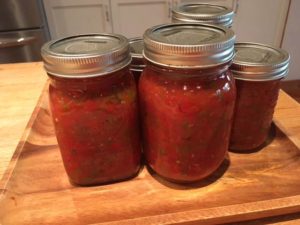
Canning: Homemade tomato sauce, chili sauce, salsa or simple canned tomatoes are hands down the most useful winter preserves. It is important to understand that the pH of tomatoes is around 7.6. This is critically important in order to choose the correct, safe canning method. Today’s tomatoes are less acidic than they once were. In part this is due to hybridization and also changes to growing conditions. This means that all tomatoes that are processed in a water-bath canning situation must be acidified. Chili sauce and salsas have added vinegar enough to increase acidity to a safe level. It is also essential to add 1 TBSP of bottled lemon juice to each 500 ml jar of tomatoes or tomato sauce to ensure safety. This might not be what your grandmother did, but it is required today. If you want to make stewed tomatoes or create a tomato sauce with vegetables or meats, pressure canning is necessary in order to raise the processing temperature to 240 degrees.

Stock up the pantry with tomatoes for winter: Freeze them, dry them or can them. Follow a reputable modern recipe (see Bernardin, Ball or Centre for Home Food Preservation websites) and specified methods to ensure high quality, safe tomato products for the home pantry.

For information about recipes or workshops, contact Martha Rogers:

preservingwithmartha@gmail.com

Preserving Know-how/ Summer

Get Pickling

I may not be Peter Piper, but I certainly have more than one peck of pickled peppers in my pantry. Well, pickled peppers, garlic scapes, asparagus, cucumbers, beans, carrots, beets and mixed garden vegetables. Let’s just say I love pickles! While summer’s bounty continues, it’s the perfect time to pickle.

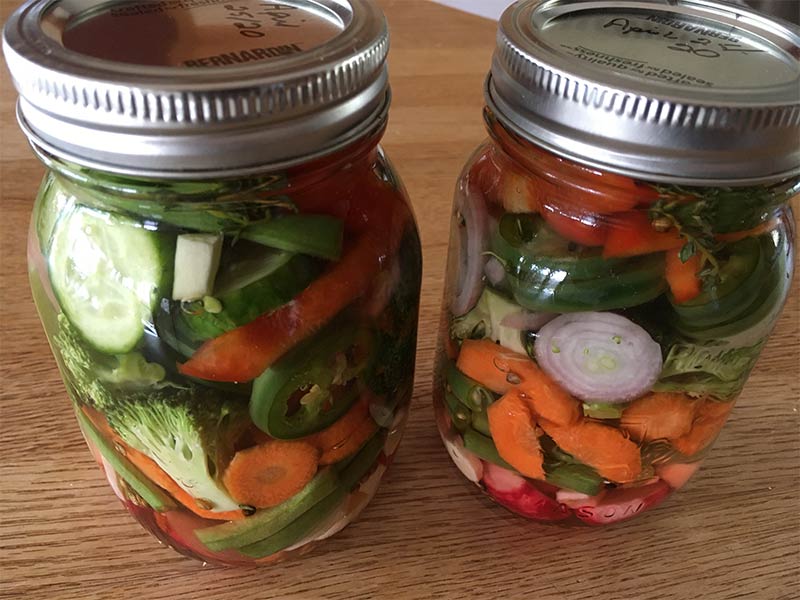
The easy place to start is by making quick refrigerator pickles. Any vegetable will do or a mix of colourful vegetables from the garden. Add garlic, jalapeno, dill, thyme, coriander seeds or any combination of flavours you like. Place in a sterilized jar and cover with a brine as per recipe instructions. Refrigerate for at least 4 days and then taste. They will keep for 3 months. Easy and delicious.

Dip your toe into the world of fermentation by making half sour fermented dill pickles. Let the lactobacillis bacteria do the preservation work for you. You don’t need special equipment to make a 1 litre of fermented dills. It is only a matter of preparing the pickling cucumbers, placing in the mason jar, adding herbs and spices and then pouring in a brine and ensuring the cucumbers stay below the brine. The fermenting period can be between 4 to 7 days. Refrigerate to halt the fermentation process and enjoy for months ahead. An authentic deli-style pickle.

Pickling vegetables (even fruits) for long-term storage requires that they be water-bath processed. Always use a modern, tested recipe and never adjust the vinegar to water ratio. Any vinegar (white, apple cider, balsamic, sherry) can be used as long as it is at least 5% acid. Pickling salt should be used or pure sea salt but avoid all salts with chemicals (table salt) or anti-caking agents. Even some Kosher salts have anti-caking agents. If you are using a commercial pickling spice, hands down, the best is from the Bulk Barn. There spice blend is richly complex and aromatic unlike the usual brands available in grocery stores.

There has long been debate about how best to make pickles crispier. In days gone by, grape leaves were added to each jar. Alum was also a commonly used addition. The commercial brand “Pickle Crisp” is also an option. The truth is there are three ways to make pickled cucumbers crispier. First, use the freshest pickling cucumbers available. Second, trim the blossom ends off by 1/16 inch to remove the enzyme that causes cucumbers to soften. And, third, brine the cucumbers in salted cold water for at least 4 hours. Home processed pickles will be softer by nature but that’s okay with me!

Whether you’re doing a quick refrigerator pickle, a fermented pickle or a water-bath pickle, you’ll be making the most of fresh summer produce. Add the pickles to a charcuterie board, sandwich, burger and as a snack or condiment tray. Pickles are wonderful in every season.

For recipes and resources contact:

preservingwithmartha@gmail.com

Salsa